
Buy anything from 5,000+ international stores. One checkout price. No surprise fees. Join 2M+ shoppers on Desertcart.
Desertcart purchases this item on your behalf and handles shipping, customs, and support to Croatia.
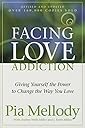
Change the way you love, breakup with toxic relationships, end the shame spiral, and discover the key to secure, nurturing, and lasting connectionsโOVER 350,000 COPIES SOLD Are you stuck in the cycle of โfailedโ relationships and are constantly worried you are unlovable or will never find true love? Do you find yourself overly needy or unable to communicate your needs properly in your relationshipsโฆalways anxious when you are apart from your partner? Has your relationship with your parents negatively impacted your romantic relationships? If so, you may be stuck in a cycle of love addiction. Facing Love Addiction offers a a way out. Through twelve-step work, exercises, and journal-keeping, this book compassionately and realistically outlines the recovery process to: ยท Clearly outline the debilitating toxic patterns played out by love addicts and the unresponsive love avoidants to whom they are painfully and repeatedly drawn ยท Clarify the distinctions between codependence and co-addiction ยท Show how our childhood experiences of abandonment or engulfment influence our choice of romantic partners ยท Illuminate how sometimes detaching from our emotions is necessary in ultimately feeling fulfilled and secure Weaving together attachment theory, vulnerability, codependency, and generational trauma, this groundbreaking bestseller unravels the intricate dynamics of toxic relationships and shows us how to let go of toxic love. Pia Mellody combines more than 15 years treating addictions at the Meadows Treatment Center in Arizona, to help cure fears of abandonment and intimacy and curb harmful, self-victimizing patterns and modes of detachment. Wherever you are in your love journey, this book will allow you to break dysfunctional and addictive patterns in relationships and definitively alter the way you view your partners, and yourself. Stop letting fear and self-doubt hold you back from the love you deserveโit could be right in front of you. Review: You can do it. Confidence is key. Work at it every day, but one day at a time. - This book is saving my relationship. I can feel it working. The hardest thing to do is hold a partner in postive regard when you feel they are distancing from you. But I realized that was the key to detaching from him with love. I see things in Black and White. I thought it was Borderline personality disorder but I see I'm just a love addict and possibly bipolar. This book is teaching me how to love myself and care for myself. It deals with codependence which I wasn't aware that I had. It all ties in together and is helping me love this man who triggers my fear of abandonment. When he distances, I chase him and it feels like neglect. But really the avoidant just feels like I'm needy. I understand now why he feels superior and sees me as weak. Thanks to Pia Melody, I feel empowered and I can detach with love. I can hold that gray area and it's taking daily journaling. I'm also going to a Shaman. I am in therapy weeks and use DBT skills to cope with the silence when we're not being intense. It's a process for sure. But this book hit me at the core where my addiction truly lays. He's just not that important and when I realized that I was able to take him off the pedastal and put him where he belongs, and in doing so I can love him better for who he truly is. This is my story and I put it out there in hopes that it helps someone relate and pick up this book, read it and do the work. I feel free from two decades of love addiction. It's good to go to SLAA meetings too. There are phone meetings. I wouldn't have invested my heart with this man if I didn't love him. And beyond addiction, the love is there between us. I just hope it can survive without the intensity of our interaction. I believe it will. I'm scared, but I have confidence now. If you get healthy with this book, and surely you will if you do the work, and your partner leaves you it's because they are addicted to intensity. That's on them. You may get healthy and find a healthier relationship. Either way you win if you do the work and keep the focus on you. This book is truly empowering, finally someone understands the love addict. Pia gives the compassion, understanding and resources for us to change the way we love. I am humbled for the first time, and confident in myself- beyond addiction and the low self-esteem and all the shame I felt inside all these years that were unecessary, all due to trauma. Take your time with this book. Do the work, the journaling, go to meetings, therapy and believe in yourself. I think confidence is the most important part. If I can do this at 39 years old after messing up a handful of long term, dysfunctional relationships, you can do it. There's another book that can help with the withdrawel process without having to use anti-depressants, the Art of Living by Thich Nhat Hahn. Review: Finally, I understand my relationship issues. - Most books about codependency focus on the classic relationship dichotomy of co-dependent and alcoholic/addict/narcissist. This is the only book I have found that deeply explores the relationship that is created when two co-dependents come together. For years I have been involved in a relationship that I knew was co-dependent, but none of the books I found on codependency really captured my situation. When I started reading this book my heart started pounding-- It was as if the author knew me, my partner and my relationship inside and out. I am only through part one of this book, but it has already transformed my understanding of my current romantic issues. To summarize, there are co-dependents who are love-addicted and co-dependents who are love-avoidant: Love addicts are driven by a primary fear of abandonment spawned from childhood neglect/abandonment. They are characterized by low-self esteem and neediness, and are looking for someone to rescue them and fill the hole in their hearts. Love avoidants are driven primarily by guilt and a fear of intimacy. During childhood they took an inappropriate "care-taking" role for a parent, which taught them that loving is to care for another, but also that to love is to be drained and controlled by another persons need. They are often characterized by being very capable and very busy, but also controlling (to avoid being controlled) and fickle. When the two come together they are initially very happy. But, with time, the neediness of the love-addict activates the love-avoidant's fear of intimacy and being controlled. The avoidant then begins to pull away, activating the abandonment fears of the love addict, and driving them to be even more desperate and needy. And thus the downward spiral begins... The love avoidant feels suffocated and wants to pull away, but often cannot leave because of the crippling guilt they feel at the thought of abandoning the already damaged love-addict. Meanwhile, the love addict will supplicate themselves and engage in dangerously manipulative behavior in order to save the relationship and avoid the feeling of abandonment. The result is an incredibly unhealthy relationship in which neither party has their emotional needs met (in part because neither party can acknowledge their own emotional needs). This book spoke to me in a way that no other book on the topic of codependency has. It is not only incredibly enlightening, but also well-written and an engaging read. What's more, I really appreciate the tone of the book. Where as most books written about codependency tend to be overly sympathetic and almost coddling to the co-dependent reader (for example, the Melody Beattie series), the author's approach to this kind of codependency is very detached, analytical and clinical. I personally found this a much more approachable and helpful style for my personality type. All in all, I am incredibly glad I bought this book (on a whim!) and I am really looking forward to finishing this book and working on my issues as a love-avoidant.


| Best Sellers Rank | #14,830 in Books ( See Top 100 in Books ) #20 in Codependency (Books) #111 in Interpersonal Relations (Books) #122 in Love & Romance (Books) |
| Customer Reviews | 4.7 out of 5 stars 1,576 Reviews |
J**Y
You can do it. Confidence is key. Work at it every day, but one day at a time.
This book is saving my relationship. I can feel it working. The hardest thing to do is hold a partner in postive regard when you feel they are distancing from you. But I realized that was the key to detaching from him with love. I see things in Black and White. I thought it was Borderline personality disorder but I see I'm just a love addict and possibly bipolar. This book is teaching me how to love myself and care for myself. It deals with codependence which I wasn't aware that I had. It all ties in together and is helping me love this man who triggers my fear of abandonment. When he distances, I chase him and it feels like neglect. But really the avoidant just feels like I'm needy. I understand now why he feels superior and sees me as weak. Thanks to Pia Melody, I feel empowered and I can detach with love. I can hold that gray area and it's taking daily journaling. I'm also going to a Shaman. I am in therapy weeks and use DBT skills to cope with the silence when we're not being intense. It's a process for sure. But this book hit me at the core where my addiction truly lays. He's just not that important and when I realized that I was able to take him off the pedastal and put him where he belongs, and in doing so I can love him better for who he truly is. This is my story and I put it out there in hopes that it helps someone relate and pick up this book, read it and do the work. I feel free from two decades of love addiction. It's good to go to SLAA meetings too. There are phone meetings. I wouldn't have invested my heart with this man if I didn't love him. And beyond addiction, the love is there between us. I just hope it can survive without the intensity of our interaction. I believe it will. I'm scared, but I have confidence now. If you get healthy with this book, and surely you will if you do the work, and your partner leaves you it's because they are addicted to intensity. That's on them. You may get healthy and find a healthier relationship. Either way you win if you do the work and keep the focus on you. This book is truly empowering, finally someone understands the love addict. Pia gives the compassion, understanding and resources for us to change the way we love. I am humbled for the first time, and confident in myself- beyond addiction and the low self-esteem and all the shame I felt inside all these years that were unecessary, all due to trauma. Take your time with this book. Do the work, the journaling, go to meetings, therapy and believe in yourself. I think confidence is the most important part. If I can do this at 39 years old after messing up a handful of long term, dysfunctional relationships, you can do it. There's another book that can help with the withdrawel process without having to use anti-depressants, the Art of Living by Thich Nhat Hahn.
W**!
Finally, I understand my relationship issues.
Most books about codependency focus on the classic relationship dichotomy of co-dependent and alcoholic/addict/narcissist. This is the only book I have found that deeply explores the relationship that is created when two co-dependents come together. For years I have been involved in a relationship that I knew was co-dependent, but none of the books I found on codependency really captured my situation. When I started reading this book my heart started pounding-- It was as if the author knew me, my partner and my relationship inside and out. I am only through part one of this book, but it has already transformed my understanding of my current romantic issues. To summarize, there are co-dependents who are love-addicted and co-dependents who are love-avoidant: Love addicts are driven by a primary fear of abandonment spawned from childhood neglect/abandonment. They are characterized by low-self esteem and neediness, and are looking for someone to rescue them and fill the hole in their hearts. Love avoidants are driven primarily by guilt and a fear of intimacy. During childhood they took an inappropriate "care-taking" role for a parent, which taught them that loving is to care for another, but also that to love is to be drained and controlled by another persons need. They are often characterized by being very capable and very busy, but also controlling (to avoid being controlled) and fickle. When the two come together they are initially very happy. But, with time, the neediness of the love-addict activates the love-avoidant's fear of intimacy and being controlled. The avoidant then begins to pull away, activating the abandonment fears of the love addict, and driving them to be even more desperate and needy. And thus the downward spiral begins... The love avoidant feels suffocated and wants to pull away, but often cannot leave because of the crippling guilt they feel at the thought of abandoning the already damaged love-addict. Meanwhile, the love addict will supplicate themselves and engage in dangerously manipulative behavior in order to save the relationship and avoid the feeling of abandonment. The result is an incredibly unhealthy relationship in which neither party has their emotional needs met (in part because neither party can acknowledge their own emotional needs). This book spoke to me in a way that no other book on the topic of codependency has. It is not only incredibly enlightening, but also well-written and an engaging read. What's more, I really appreciate the tone of the book. Where as most books written about codependency tend to be overly sympathetic and almost coddling to the co-dependent reader (for example, the Melody Beattie series), the author's approach to this kind of codependency is very detached, analytical and clinical. I personally found this a much more approachable and helpful style for my personality type. All in all, I am incredibly glad I bought this book (on a whim!) and I am really looking forward to finishing this book and working on my issues as a love-avoidant.
N**K
Great Resource
SOLID READ. Does an AMAZING job of describing the dynamics between the avoidant and the Anxious
D**A
Inspiring and really eye opening
Really valuable real like examples and insights from people in recovery that have overcome this disease
L**4
speaking from my success
i was one of those people who was addicted, but did't know it...then came this book.It was both a blessing and a curse.A curse because i realized i had a problem bigger than myself and comming to terms with an addiction is not easy(which is why admitting to your problem is the first step). A blessing because it let me know that there was help.It identifyed my every symptom, my every emotion and my every devestation. Most of the book describes what love addiction is,how it is developed, and the various ways in which it ruins your life with out you even reliazing it.The author gives lots of examples,many including her owm experiences.I give the book 4 stars for beeing such an important eye opener and teaching me so much about this emotional illness.The reason i don't give it 5 stars is because the "work-book" in the end is not enough to help you break the addiction on it's own.If you are really interested in moving past your addiction i would recomend adding to your collection her book + workbook "facing codependence".even in this book she will tell you that at the heart of the addiction is codependence, which you need to overcome. Love addiction is most of all Painfull and isolating.Your relationships go so wrong so fast that it really takes a toll on your heart...to be honest there were times when i thought that i must have been born wrong,that there was something so inately wrong with me that i was destined to only find heart break.I had decided to not even try anymore because there was no point when they all ended the same:with my heart crushed. In order to encourage others to get help i will admit that in the past my longest relationship lasted 5 months(most averaging about 3) and only the first month was good because after that a very intense hell would break loose.I felt out of control.But after Pia's help and with my persistence to get better i have now been in a HEALTHY,LOVING, relationship with someone for more than a year :0)and emotionally i am more stable than i have ever been in my 26 years of life.
V**A
I was referred to Facing Love Addition by a counselor who suggested I go to ...
I was referred to Facing Love Addition by a counselor who suggested I go to inpatient treatment for love addiction. I not only read this book but have memorized passages that have helped me practically in situations that used to really trigger me. Amazing insight. The clarity I received by reading the book and doing some of the exercises was one of the major influences in shifting my paradigm into understanding others have a right to be in the world the way they are. I have a right to take care of myself so I can be safe to be around as well. I am thankful to be in a very loving, nurturing relationship with my husband. I have referred this book to many others and am grateful she wrote it.
S**)
Most Impactful Book I've Read
This book is the best book I have ever read. If you are struggling with romantic relationships and experiencing a lot of heartbreak, and wonder what is wrong, pick this up and see if you find answers here. Tremendous insights.
K**A
Excellent book
This book is AMAZING!! You don't find a lot of info on love addiction, not to mention something that will go through the similarities and differences between that and codependency. I haven't gotten through much of this book yet as you need to really take in the information and do the work to understand yourself as you do it, and that's not easy or quick. I'm really grateful for Pia and the work she's done to bring this issue to light. I feel this book will be very helpful to me on my journey out of love addiction.
N**A
ใขใกใชใซใง่ฉฑ้กใฎ่่ ใซใใไธๅ
ใใฉใใฐไพๅญ็ใใขใซใณใผใซไพๅญ็ใซๅ ใใLove Addiction ใ็พๅจใฎใขใกใชใซ็คพไผใๆฑใใๅ้กใฎใฒใจใคใงใใใใจไธ็ชๆๅใซๆ่ตทใใ่่ ใฎไธๅใ่่ ่ช่บซใlove Addictionใๅ ๆใใไธไบบใชใ ใใซใจใฆใๅฎ่ทต็ใง่ชฌๅพๅใฎใใๆฌใงใใ ใใใใชใซๅฐฝใใใฆใใใฎใซใๅฅใใฆใใพใใใชใฉใฎ็ต้จใใใไบบใซใฏๅฟ ่ชญๆธใ ใจๆใใพใใใๅฐฝใใๅฅณๆงใใซใฏใๅฐฝใใใใจใใๅ้กใใใใๅฐฝใใๅฅณใๆๆๅฏพ่ฑกใจใใ็ทๆงใซใฏใๅฐฝใใใใใจๅฟใฎ่ท้ขใ็ฝฎใใใใชใใใจใใใใฟใผใณใใใใใจๆ็ขบใซใใฆใใพใใ ใพใใฏใ่ชๅใฎใใฎใใใชๆๆใใฟใผใณใฎๅ้กใซๆฐใฅใใใใใใฅใค่ชๅใฎ่กๅใๅคใใฆใใใใจใซใใฃใฆใๅ้กใฎใใ็ทๆงใซใฏๆนใใใชใใชใ๏ผใพใใๅ้กใฎใใ็ทๆงใใใฏใพใฃใใๅฅฝๆใใใใใชใใชใ๏ผใๅฅๅ จใงใใใใชๆๆ้ขไฟใ็ตๅฉใๆใซๅ ฅใใใใจใใงใใใใจ่่ ใฏใใใพใใ ใใฎใใใซใ่ชๅใฎๅๆใฎไปๆนใๆนๅใฎไปๆนใ็ธๆใฎ่ฆๆฅตใๆนใไบบ้้ขไฟใฎไฝใๆนใ้ๅปใฎ่ชๅใฎ่ฆใคใๆนใชใฉใใจใฆใไธๅฏงใซๆธใใฆใใพใใ ๅฐๆฅใฎไบบ้้ขไฟใซๆใใๅฑๆใจๆฐใฅใใไธใใฆใใใใใฐใใใไธๅใงใใ
H**S
Good quality
Good quality and good packaging
N**E
A relatively straightforward concept with earth-shattering implications!
"Facing Love Addiction" expresses what is essentially a fairly straightforward idea and does so in similarly uncomplicated language that is easy to grasp. You will not get lost in the psychology and there are plenty of recapitulations and helpful re-phrasings to avoid confusion. Saying this, the implications of the basic psychological model being proposed are huge. Reading this book can offer explanation for the intensity of fear and pain you experience in relationships, make the fear and pain conscious rather than unconscious so that recovery can begin, and also present a new, healthier way of relating to people that you can begin to implement. It's a journey of extreme self-discovery that takes a lot of work and you WILL need a lot of extra therapeutic support. But working through the recovery process and breaking the destructive patterns with those with whom you are in relationship (especially yourself!) provides a feeling of self-sufficiency and worth that helps allay fears in *all* areas of your life. So, the basic premise: Pia Mellody's model of love addiction illustrates two people: the love addict and the love avoidant. The love addict has a conscious fear of being abandoned and an unconscious fear of intimacy. Conversely, the love avoidant's conscious fear is of intimacy and their unconscious fear of being abandoned. The love addict wants to feel "close and connected" to their partner and initially are drawn inexorably towards the love avoidant. (Note that although the love avoidant's label might make them sound weedy, submissive wimps their fear of intimacy is masked by a "wall of seduction"- in other words they usually seem inticingly strong, sexy and charismatic individuals who positively invite a relationship in the beginning). The love avoidant sees what they believe to be the perfect person to meet their needs for intimacy, self-esteem and connection and jump right in. After a while, however the love avoidant's fear of intimacy (being overwhelmed/controlled/engulfed) kicks in, and to protect themselves they create a distance between themselves and the love addict. This can be achieved through an emotional not-there-ness or through busying themselves with addictions or activities outside the realtionship. As soon as they create distance, the love addict panics: they're not feeling close any more- they're being abandoned! To get close again they'll pretty much do anything; using sex or even changing their entire identity to appeal more to the love avoidant. These desperate attempts just send the love avoidant further away and eventually the love addict shows signs of being unable to cope with it and leaving. At this point, the love avoidant's unconscious fear of being abandoned arises and all of a sudden they start showing the love addict attention again to get them back. The love addict breathes a sigh of relief and then the whole cycle starts again... The structure of the book is as follows: Part I explains the connection between codependence and love addiction, the cycles of the love addict and avoidant and their interactions together (what a co-addicted relationship looks like). Part II outlines the recovery process and addresses questions of bringing relationships to an end or putting them on hold, withdrawal symptoms and re-entering a relationship. Part III provides illustration of what healthy relationships look like (neither addicts nor avoidants have never truly learned or experienced real intimacy) Part IV has practical exercises to support the recovery process (a working knowledge of 12 Step Programmes and having a sponsor is *especially* helpful here). In conclusion, a few notes: *Knowledge and particularly experience of 12 step Programmes (particularly CoDA, Co Dependents Anonymous) is helpful when reading this book. Fairly early on the author makes reference to such programs of recovery and uses the term 'Higher Power' when describing the way in which the love addict puts the avoidant on a pedestal. Her whole approach to finding recovery is based on the 12 Steps too, and working through her suggestions for journalling or writing a Step 1 would be infinitely more thorough when shared with the experiences of others in the fellowship rather than just a therapist. * Building upon that point, recovery is going to be more robustly 'completed' when as many resources as possible are accessed. Working through extreme fears of abandonment and going through the withdrawal is all but impossible on your own. * Finally, two books that I found great (as a love addict) to read alongside this one was "Women Who Love Too Much: when you keep wishing and hoping he'll change" by Robin Norwood and "Getting Past Your Breakup" by Susan J Elliot.
Y**.
Good read to underatand different types of attac
A little bit repetitive however the ideas are very clear and well explained. It basically touchea the different types of attachment but doesn't explaim how to heal.
L**E
AMAZING BOOK!!!
Anyone facing a love addiction will gain great insight into themselves and their partners. It was like I was reading my own story and I finally understood why I...and my partners act the way I do. Thank you so very much Pia Mellody for helping shine some light on this addiction!!!
Trustpilot
1 month ago
3 weeks ago