Desert Online General Trading LLC
Dubai, United Arab Emirates
Desert Online General Trading LLC
Dubai, United Arab Emirates

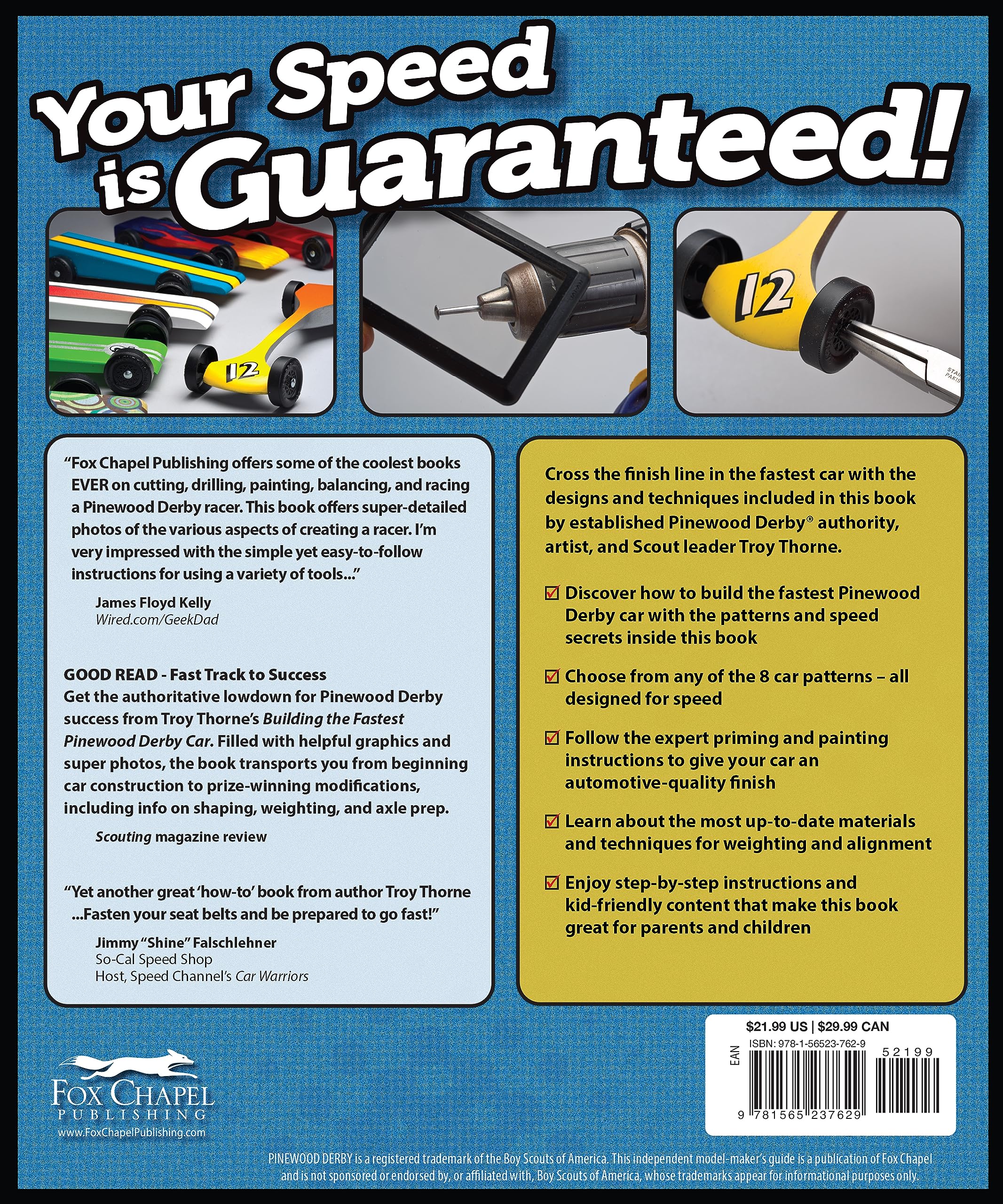

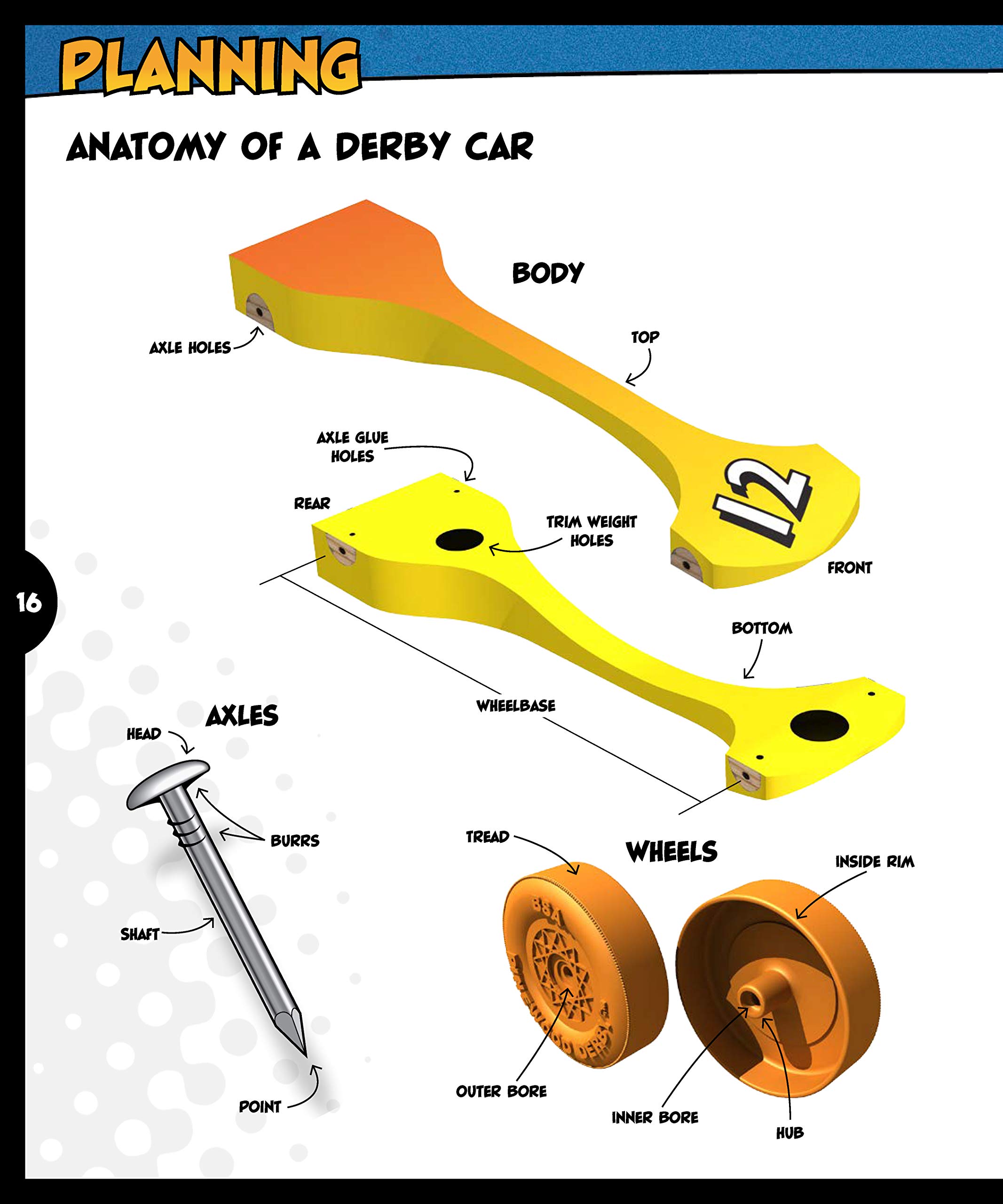
Building the Fastest Pinewood Derby Car: Speed Secrets for Crossing the Finish Line First! (Fox Chapel Publishing) Illustrated Guide to Making a Competitive Car, from Planning & Designing to Finishing
M**N
If You Want a Competitive Car, get this Book!
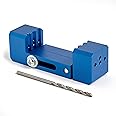
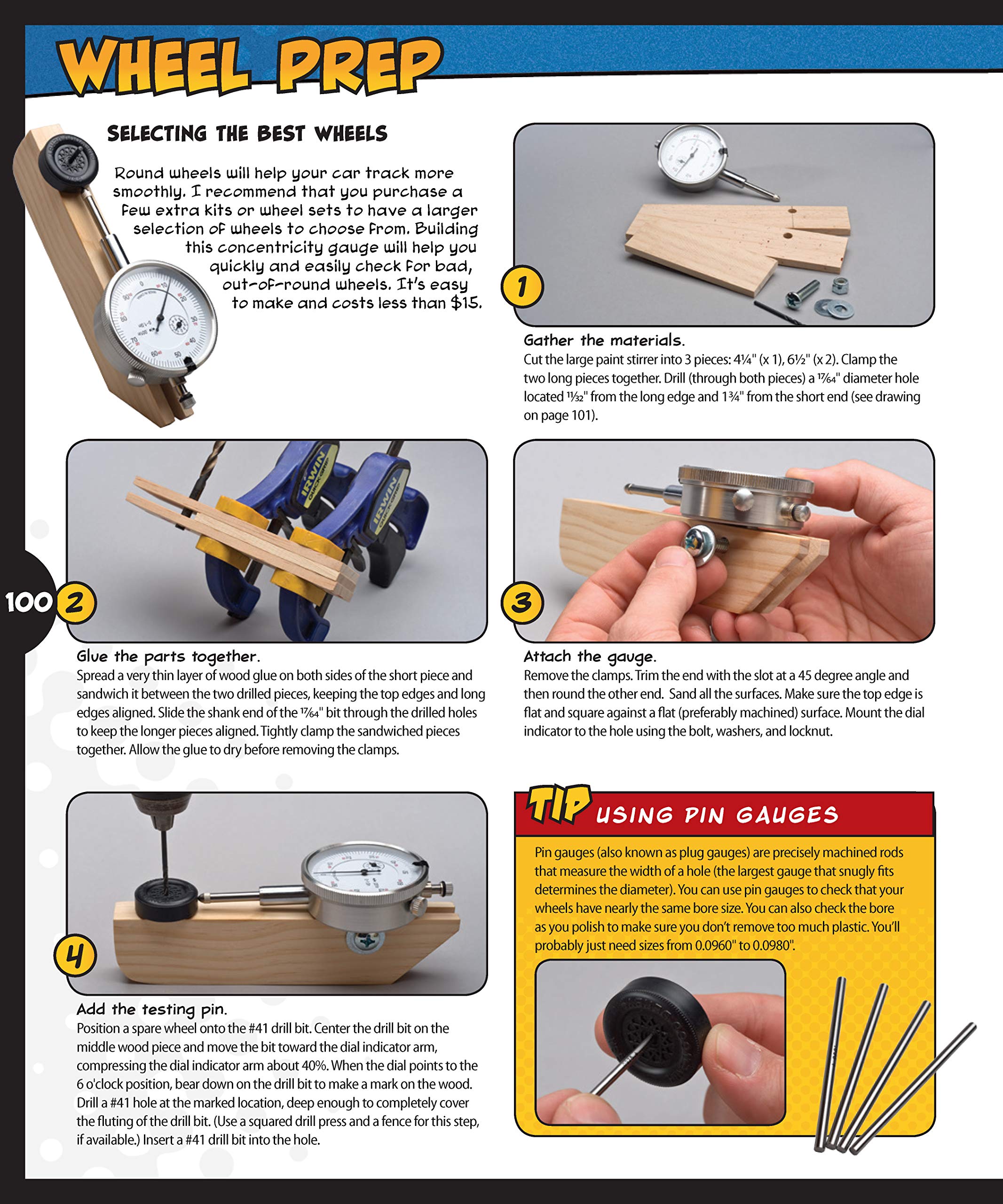
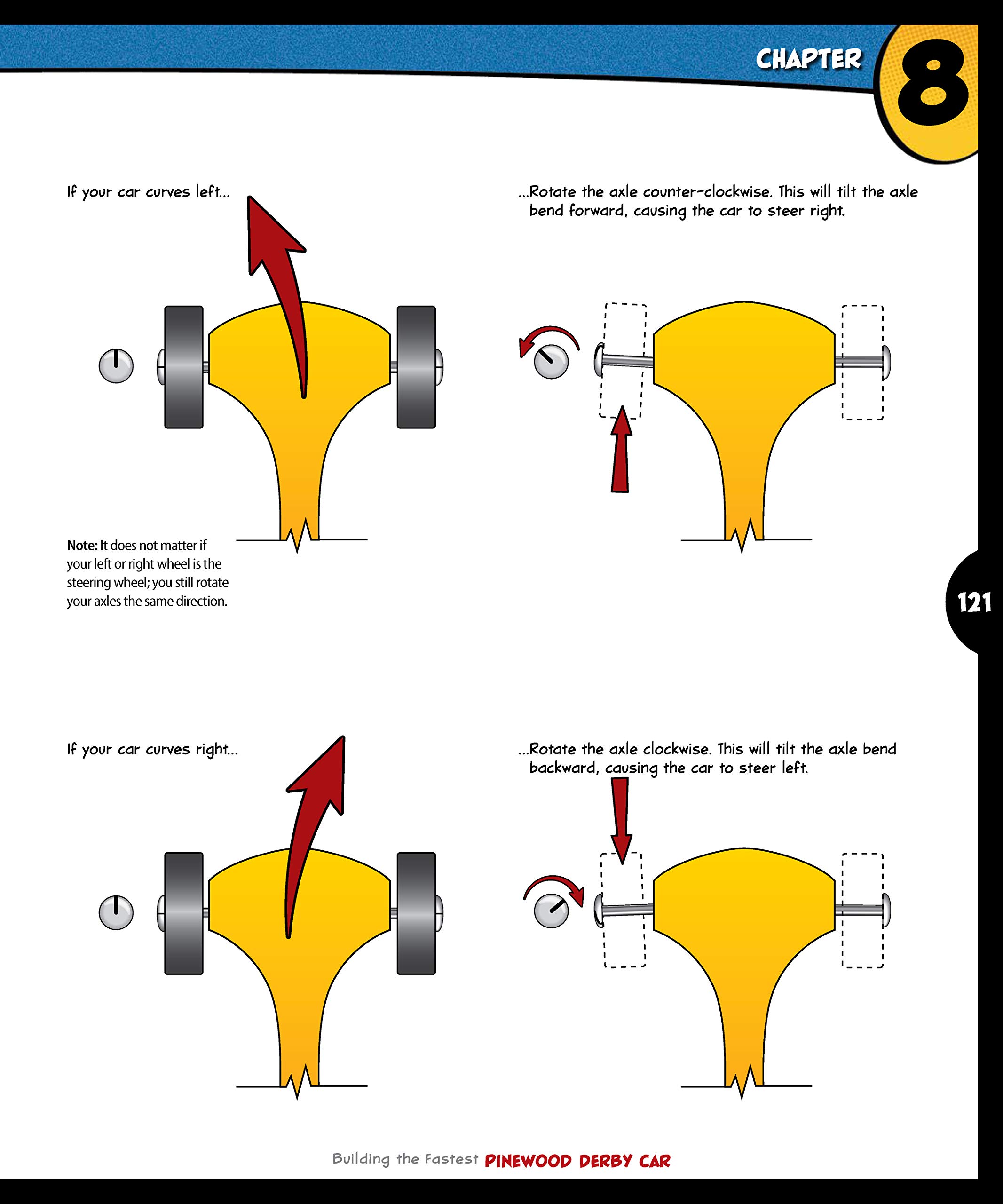
Awesome book! There is a wealth of information on the pinewood derby inside this book! Has a ton of tips and techniques to make your son’s car be competitive in the race. I and my son used this book as a guide to build his first pinewood derby car and he took 1st place in his den and had one of the fastest cars in the pack. He is headed to districts next month to race against the winners from the other packs in our area. I think that one of the best tips in the book which I didn’t find in other sources is the use of a concentricity gauge ($10 on Amazon…) to measure the “roundness” of the wheels. We purchased four pinewood derby kits from the local scout shop - mainly cause I was worried we would mess up cutting/carving the block of wood – but it turns out that having all those extra wheels and axles was great because we selected the best ones. Using the concentricity gauge set up the author describes, I was surprised to see just how “un-round” a lot of the wheels were. You then select the best ones and shave, sand, & polish those placing your best of the four as your front wheel, the next two best as your rear and the worst wheel as the raised front. We did every step described in the book that was allowed by our pack/district rules. We selected the best axles out of the pile, used a drill press to file off the burrs & crimp marks, sanded and polished the axles and beveled the axle head. We used the bent axle technique and raised a front wheel the book described and aligned it to be a “rail rider.” Not to mention an aerodynamic body design, smooth paint job, graphite on the wheels and axles, maximum weight pinpointed to the rear and in front of the rear axles. Tools we used were: table top dress press, vise, small triangular file, wet/dry sandpaper grit from 400-1000, wheel mandrel, derby works wheel shave kit & pro hub tool, derby axle puller, graphite, real pipe cleaners, plastic polish, 5 minute 2-part epoxy, white glue, various size drill bits, superglue, wood putty, spray paint, tungsten & lead fishing weights and some decals from the hobby store. There is so much info in this book that I would highly recommend it to anyone who is started out with pinewood derby for the first time and wants to build a competitive car. Get the book well before the race and read through it deciding what your son wants to do and what your rules will allow. There is also and great YouTube video made by a guy named Mark Roper on the pinewood derby, not only a great source of info on the pinewood derby, but one of the best YouTube videos I’ve ever seen. I buy from Amazon a lot but rarely have I ever written a review, but with this book, I had to share my thoughts. Also, about the book itself: well thought out, lay out was great, real color photos, nice thick glossy paper, explains everything in detail, has several design guide cut-outs that you can photo-copy and glue to your block of wood and cut out - they are to scale. I highly recommend this book!!
S**T
This is the 200 Level PWD Course You're Looking For
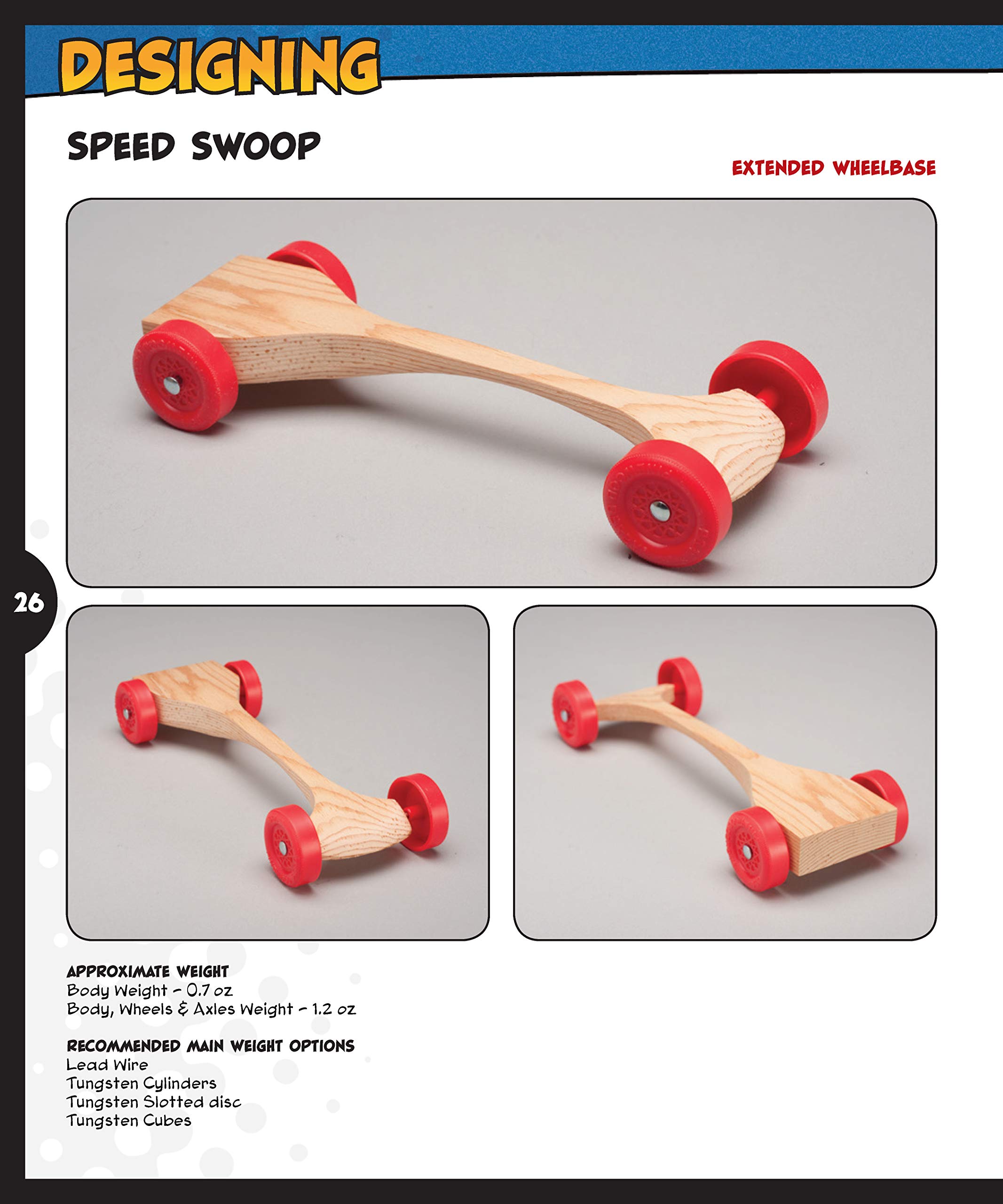
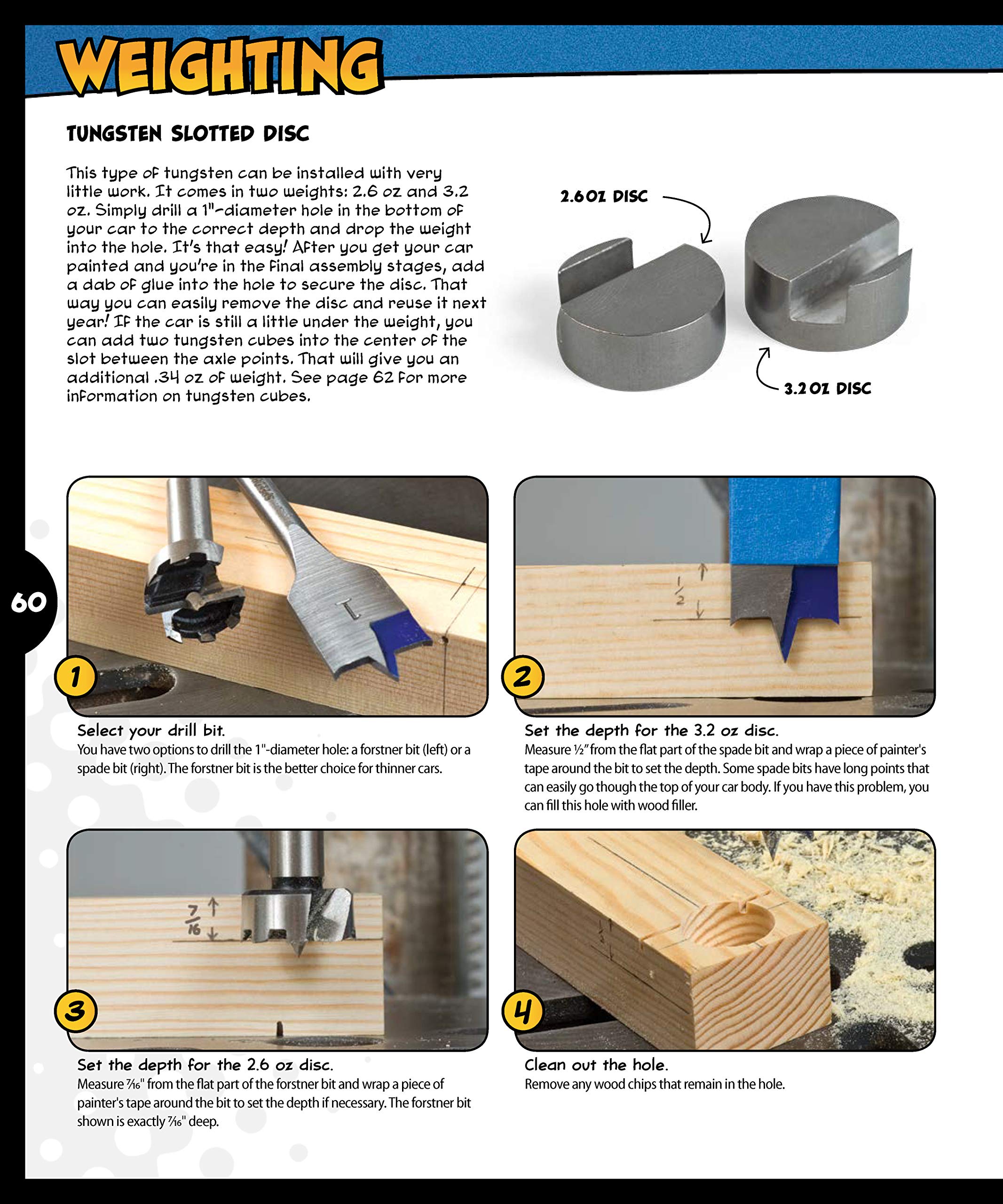
Great book. This is sort of like the updated version of the David Meade book, but addresses topic Meade only glosses over that are now the standard thinking on what makes a fast and consistent derby car. As with Thorne's other book, it's well illustrated/photographed to make it accessible to adults and kids. It also spends a fair amount of time on design/decoration. The book includes several very good templates for fast cars.Unlike the Meade book, this book includes discussion on several techniques that are considered essential to having a competitive car ... rail riding, wheel boar prep, and what to look for in doing your alignment/testing. Additionally, this book addresses a broad set of weighting options (Tungsten, steel, and lead weights).You could spend a year researching techniques and tricks on the various PWD message boards (like derbytalk.com) to go from 101 (meade's book) to 201 or just buy this book and follow the steps.My favorite part of this book is a plan for a test track. I would've liked it more if the plan was for a 24' or 32' foot track with a traditional starting height (about 48"), but it's got enough information to get you started if that's how you want to go.
C**L
Nice for starting out on the Pinewood Scene
The book is written in a clear and concise manner. The book contains sample designs and about the right amount of info for novice designers with good tips and hints on reducing friction on the wheels/axles. Our 8 year old daughter was able to do most of the work on the car with and really had a great time racing the car. The smile on her face and the confidence she gained from working on the car herself was well worth it. Overall I would buy this book again.
L**Y
Won den and pack derby!
I loved this book. I bought it along with “getting started in the pinewood derby”. The first year, my son won 3rd in his den, using these books. The second year, he won first in his den and the entire pack! Directions are simple and easy to follow, with lots of pictures. Best of all, you don’t need a lot of tools to do this. While the book has some special tools, you can get great results with a drill, sandpaper, and a file. I did not build a test tract, I really just focused on wheel and axle prep, and proper weighting. I will note the books section on weighting is not super helpful. Make sure you put the weight in the back- as far back as possible. You can also buy weights that you can just glue (or use the accompanying contact sticky paper) onto your car. Also- I don’t think the book discusses it, but bake your car (250 degrees) for a couple of hours. It makes the wood lighter, which will allow you to put most of the cars weight in the back, which will help with speed. Have fun and good luck!
K**T
Great Book
My son and I really enjoyed this book and it was a great resource and guide for building his first car. We didn't do everything that the book suggests and still did really well. Axle straightening proved to be a stumbling block for us. The axles we received with the car were far from straight (and the axle straightener suggested in the book was completely ineffective) so notching the axles as the book suggests wasn't really an option for us.I bought the book several months before we started to build the car so that my son would have plenty of time to look through it an familiarize himself with some of the things that it takes to build a really fast car. It was his first pinewood derby so I think that some of the instructions were a little over his head, but he was really grateful that we followed the book's instructions when it became apparent that he had one of the fastest cars at the derby.
R**E
Won first and second place!
Followed directions in this book as best I could with the tools and knowledge I had. I won first and second place with these two cars. Had a lot of fun!
Trustpilot
1 month ago
1 day ago